
Practical advice · 22 November 2026
“I would like more confidence” is a perfectly reasonable reason to book tuition. It is also a difficult result to measure. A more useful starting point is the moment that makes you hesitate: leaving a tight berth, returning with a crosswind or understanding an unfamiliar helm. Describe that situation and the training day begins to take shape.
Choose two or three real outcomes
Write down what you want to be able to do, using ordinary language. For example: “I want to understand why the stern moves that way”, “I want to plan my approach before entering the marina”, or “I want to recognise when I should abandon an attempt and start again”. These are discussion points for the instructor, not manoeuvres to rehearse from a written article.
Put the most useful outcome first. An ambitious list covering every instrument, every harbour manoeuvre and every emergency procedure can leave too little time to practise anything properly. Ask what is realistic for the boat, your experience and the conditions.
Explain the boat and the difficulty beforehand
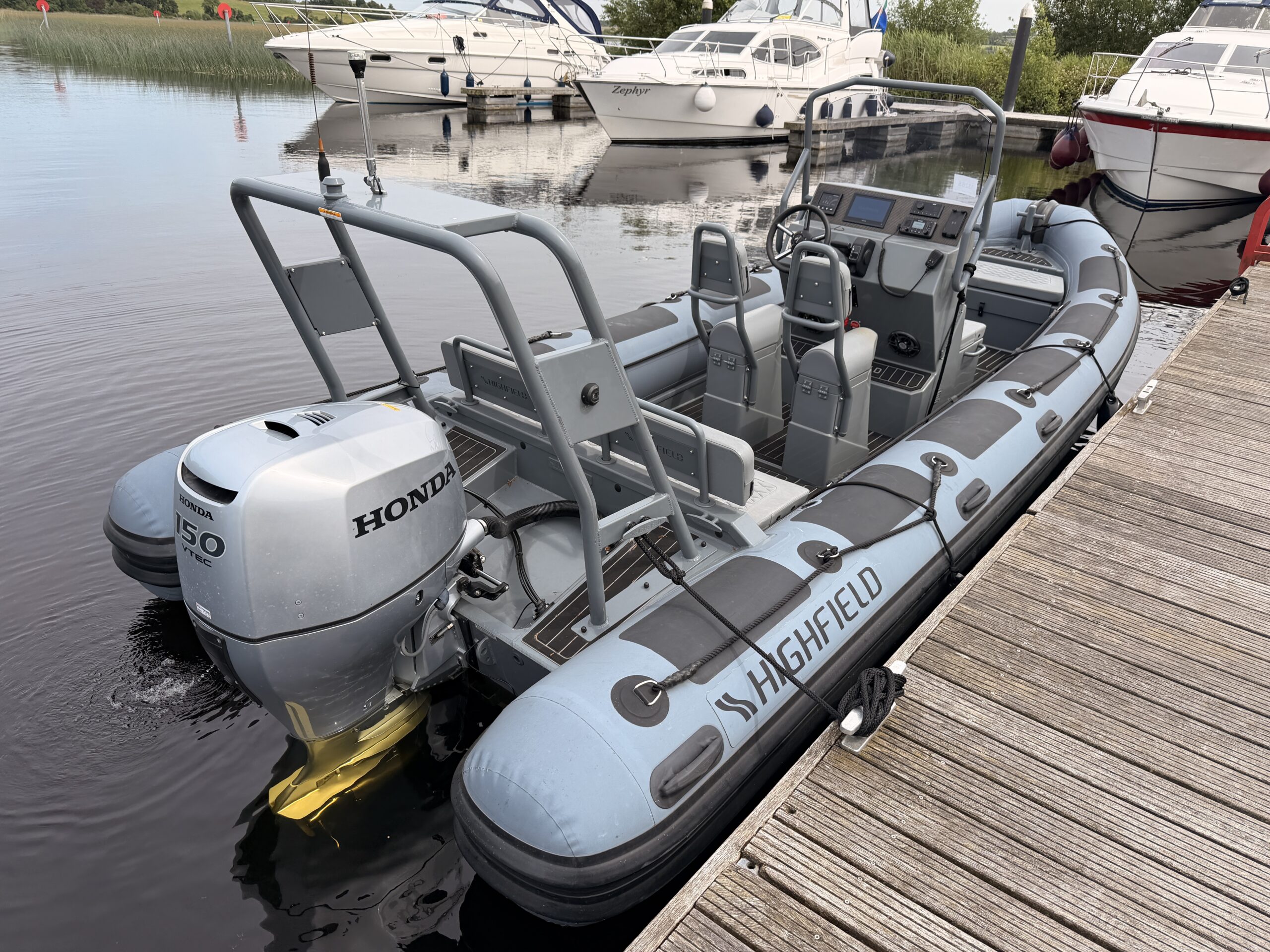
Send the make and model, propulsion arrangement, usual berth and a brief description of your experience. Include any equipment faults or limitations. If you have recently changed boats, explain what feels different rather than assuming the problem is entirely your technique.
The RYA’s Helmsman Practical Course description makes a useful point: its training is specific to the type of boat used and is particularly suited to owners of motor cruisers. That supports the value of learning how your own vessel responds. It does not mean that every private tuition session is an RYA course or leads to a certificate.
Agree how the day will work
Ask the instructor how observation, demonstration, practice and feedback will be balanced. You should have space to explain what you think happened and ask why a different approach might help. A successful attempt is more useful when you understand the decisions behind it.
Discuss who will attend and what each person hopes to learn. Share accessibility needs, fatigue concerns or anxiety about a particular situation before the session. Those details help shape a manageable day; they are not a test of whether you belong on a boat.
The RNLI’s boating-skills guidance encourages refresher training through the RYA and Irish Sailing. Returning for help after a quiet season or a change of boat is a sensible part of ownership.
Leave room for conditions to change the plan
Agree in advance how unsuitable weather or a boat defect would affect the session. A training booking is not a reason to force a departure. There may be useful familiarisation or planning work to do alongside, but the instructor should decide what can safely be achieved.
This applies whether your normal boating is inland in Ireland, coastal in the UK or around Spain. Describe the waters and berthing arrangement you actually use; the most valuable learning should connect with your everyday boating.
Finish with a short practice plan
Before leaving, ask for three clear answers: what improved, what still needs supervision and what practice is appropriate next. Note the conditions in which you trained, so one good session does not become an assumption that every situation is now covered.
For a tailored session, send those priorities through Maritime Expert’s own-boat tuition page. A clear goal gives the instructor something useful to work towards and gives you a better way to judge your progress.



Leave A Comment