BOAT DELIVERY & RELOCATION
A boat delivery shaped around the boat, the route and the people aboard.
From an Irish inland move to a coastal or cross-border passage, we plan each delivery around the vessel and the journey. Choose a skipper-led relocation, join us for the passage, or combine delivery with a handover and practical tuition.

There’s more than one way to get a boat from A to B.
The right approach depends on the vessel, route, timing and how involved you want to be. We talk through the options before settling on a plan.
Skipper-led relocation
We plan the passage and move the boat under its own power, with crew suited to the vessel and route. A good fit when you need the boat relocated but do not want to make the passage yourself.
Join the passage
Travel aboard with the delivery crew. We agree your role and level of involvement in advance, so you can take part safely and learn as the passage unfolds.
Deliver, hand over, then teach
Add time at the destination to learn the boat’s systems and handling. We can plan a practical handover or own-boat tuition around what you want to do next.
Road or combined transport
When a boat is unsuitable for a water passage, specialist road transport—or a road-and-water combination—may be the better route. We can help establish the boat’s dimensions, lifting points and access details so a transporter can assess what is practical.
ROUTE PLANNING
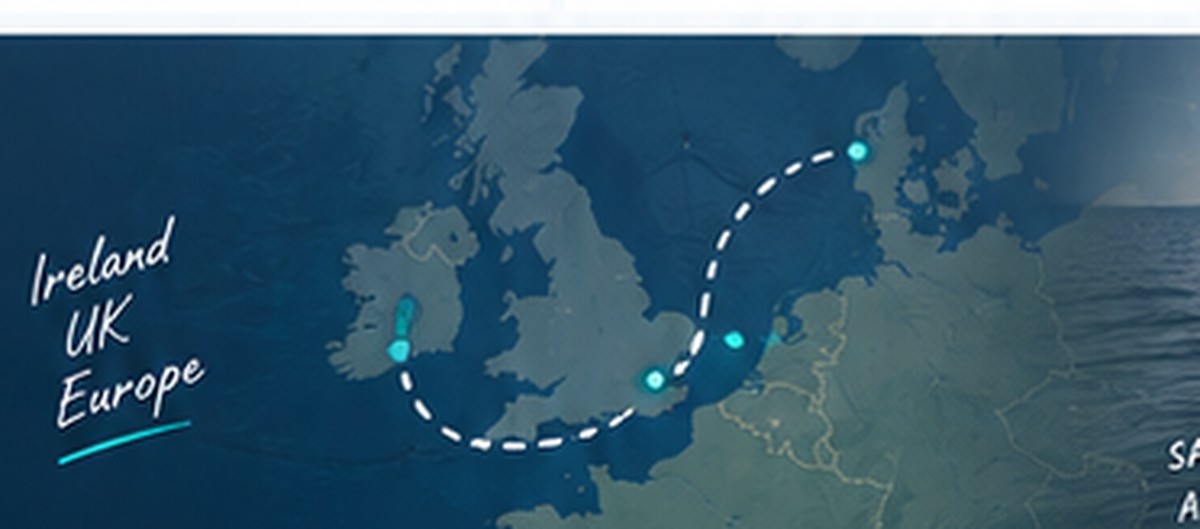
A line on a map is only the beginning.
Before agreeing a delivery, we match the route to the boat: range and cruising speed, draft and air draft, fuel needs, access restrictions and the conditions expected for the time of year.
The most direct route is not always the best one. A staged passage, a different departure window or mixed transport may make more sense. We agree how progress updates and changes will be handled before departure.
Sea and coastal passages
We consider passage length, shelter and ports of refuge, tides, weather windows, fuel range and crew rest when planning coastal or cross-channel legs.
Rivers, lakes and inland routes
We check access, navigation constraints, locks, bridges, depth and operating hours, including practical transfer points between connected waters.
A considered delivery, step by step.
Steve Frankland brings a working lifetime around boats to each assignment. He is a Master Mariner, Yachtmaster Ocean and Advanced Powerboat and Motorboat Instructor.
The boat
Make, model, dimensions, propulsion, current location, known issues and relevant maintenance history help establish what the journey may involve.
The route
Departure, destination and timing let us consider distance, access, suitable stages, conditions and any route-specific constraints.
The people & costs
We agree the delivery format, crew, owner involvement and expected expenses such as fuel, berthing and crew travel.
The handover
Agree what arrival looks like: a straightforward handover, a systems walkthrough or a further practical session on the water.
The delivery starts at the boat, not on the map.
Before confirming a passage, we discuss the boat’s condition, recent servicing, known defects, safety equipment, documentation, insurance arrangements and access at both ends. This helps identify questions to resolve and preparation that may be needed.
This is a delivery-readiness discussion, not a substitute for a survey or repair work. If something needs specialist attention, we can identify it as an issue to address before the passage is booked.
Useful information to have
- Make, model, length, draft and air draft if known
- Engine or rig details, range and recent service history
- Current berth, destination and access restrictions
- Known defects, equipment concerns or work still outstanding
- Preferred dates and how involved you want to be
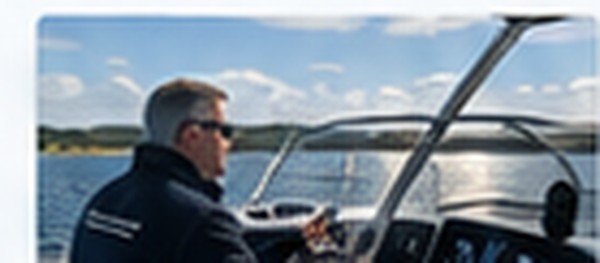
Delivered to the berth. Ready for what comes next.
A boat can arrive safely and still feel unfamiliar. Add a practical handover to go through the controls and equipment, talk through routine checks and get comfortable with the boat in its new home waters.
For owners who want to take the helm themselves, delivery and training can be planned together. The passage provides context; follow-up tuition gives you time to practise the manoeuvres and routines that matter to you.
Where is your boat, and where would you like it to go?
Send the boat details, current location, destination and preferred timing. Let us know if you want a skipper-led delivery, to join the passage, or to include handover and training. We’ll discuss what is practical and agree the scope before work starts.