
Practical advice · 21 November 2026
Moving a boat sounds straightforward: collect it here and deliver it there. The awkward questions usually sit between those two points. Who pays for a waiting berth? What happens if an engine fault appears? Who receives the keys? Agreeing these details early makes a delivery easier to organise and gives both owner and skipper a workable brief.
Describe the boat as it is today
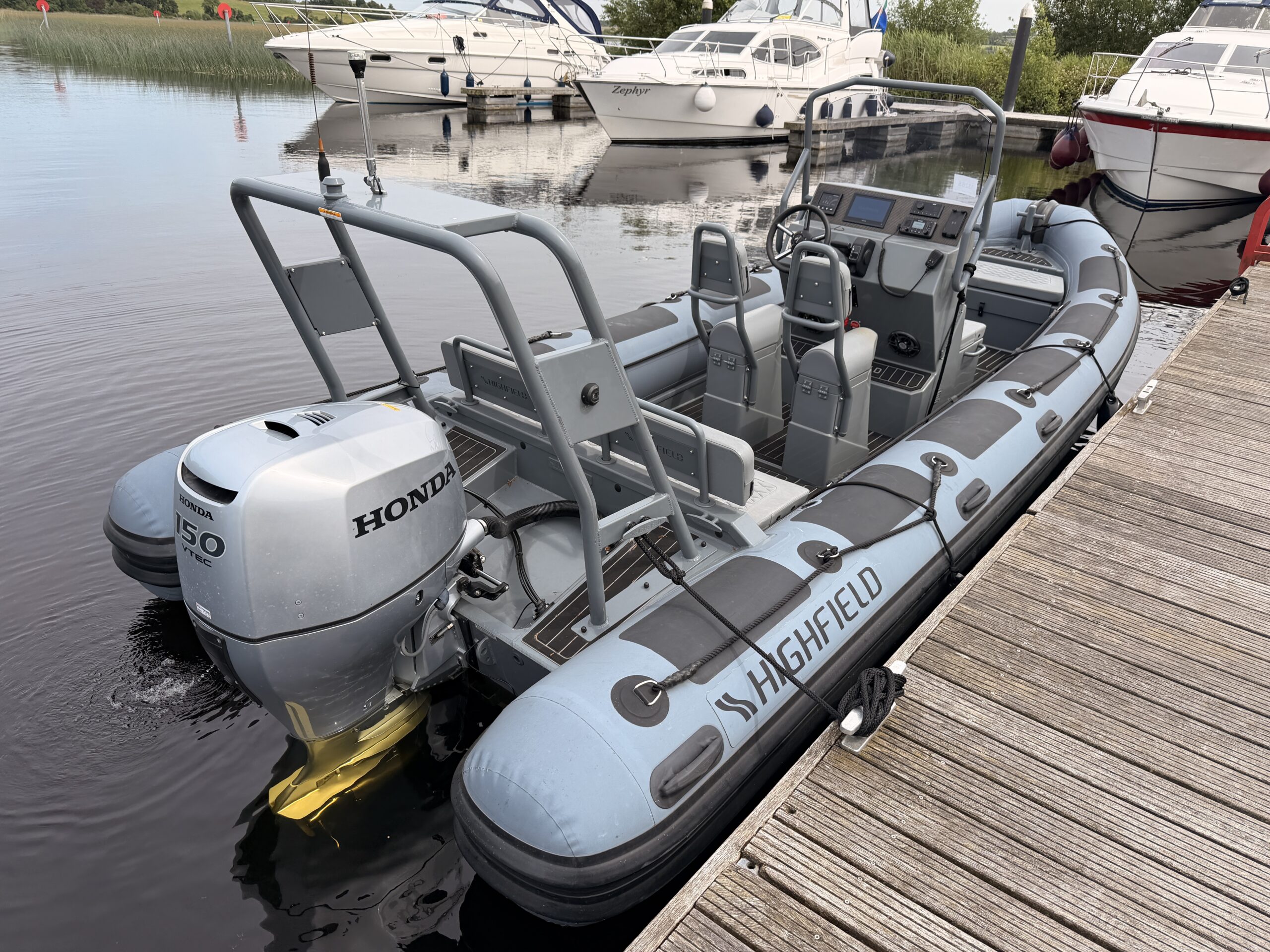
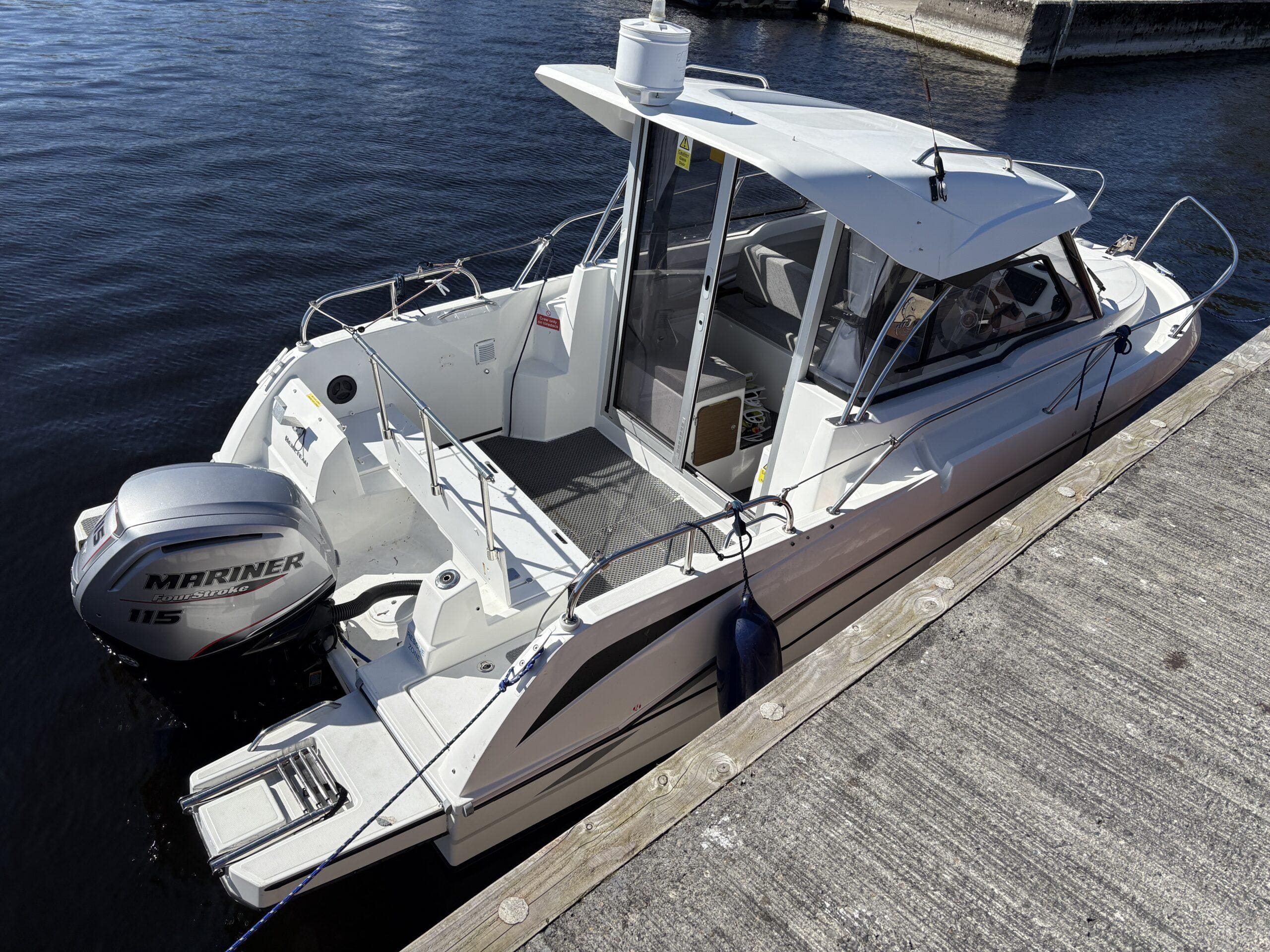
Send the boat’s make, model, dimensions, engine details and present location, together with recent photographs. Separate equipment fitted from equipment known to work. A chartplotter on the dashboard and a chartplotter recently checked with suitable charts are different pieces of information.
Provide a short, honest defect list and relevant service records. Include intermittent problems, recent repairs and anything awaiting investigation. “It sometimes does that” belongs in the initial conversation, not in a message sent after departure. Ask the skipper what further checks or professional attention are needed before the passage can be accepted.
Agree the job and the costs in writing
The RYA’s delivery skipper guidance stresses that payment arrangements vary and should be clear before anyone commits. For an owner, that means asking what the quotation includes, which expenses are additional and how changes will be approved.
List preparation time, crew travel, fuel, berthing and any agreed allowance for waiting. Establish who can authorise repairs and a spending limit for decisions that need your approval. Ask how cancellation, postponement or delivery to an alternative port would be handled. These are proposed discussion points, not a standard tariff or a promise that every provider works the same way.
Give the timetable some breathing room
A preferred arrival date is useful information; it should not become pressure to depart in unsuitable conditions. The RYA’s passage-planning advice covers the boat’s limitations, weather, possible delays and alternative destinations. Build those considerations into the booking conversation before buying non-refundable onward travel.
Agree how often you will receive routine updates and who will be contacted if plans change. For a move involving Ireland, the UK or Spain, identify the departure and destination marinas precisely. A regional description such as Jávea or Dénia is not a berth booking. Confirm access arrangements and who is responsible for checking local arrival procedures.
Make the handover practical
Arrange a person who knows the boat, accessible manuals, keys and an equipment inventory. Give the skipper time to inspect and familiarise themselves with the vessel. Ask your insurer to confirm cover for the proposed delivery, skipper and cruising area; do not assume an existing policy automatically covers every arrangement.
At the destination, decide who accepts the boat and how condition, fuel remaining, keys and any new defects will be recorded. Dated photographs and a concise handover note provide a useful shared record without pretending to replace an inspection.
Your next step
Prepare one page covering the boat, known defects, collection point, destination, preferred timing and your contact details. Then add the unresolved questions about cost, access and handover. Maritime Expert’s boat delivery and relocation service provides a natural starting point for discussing that brief, including whether an accompanied passage or tuition would be useful.



Leave A Comment