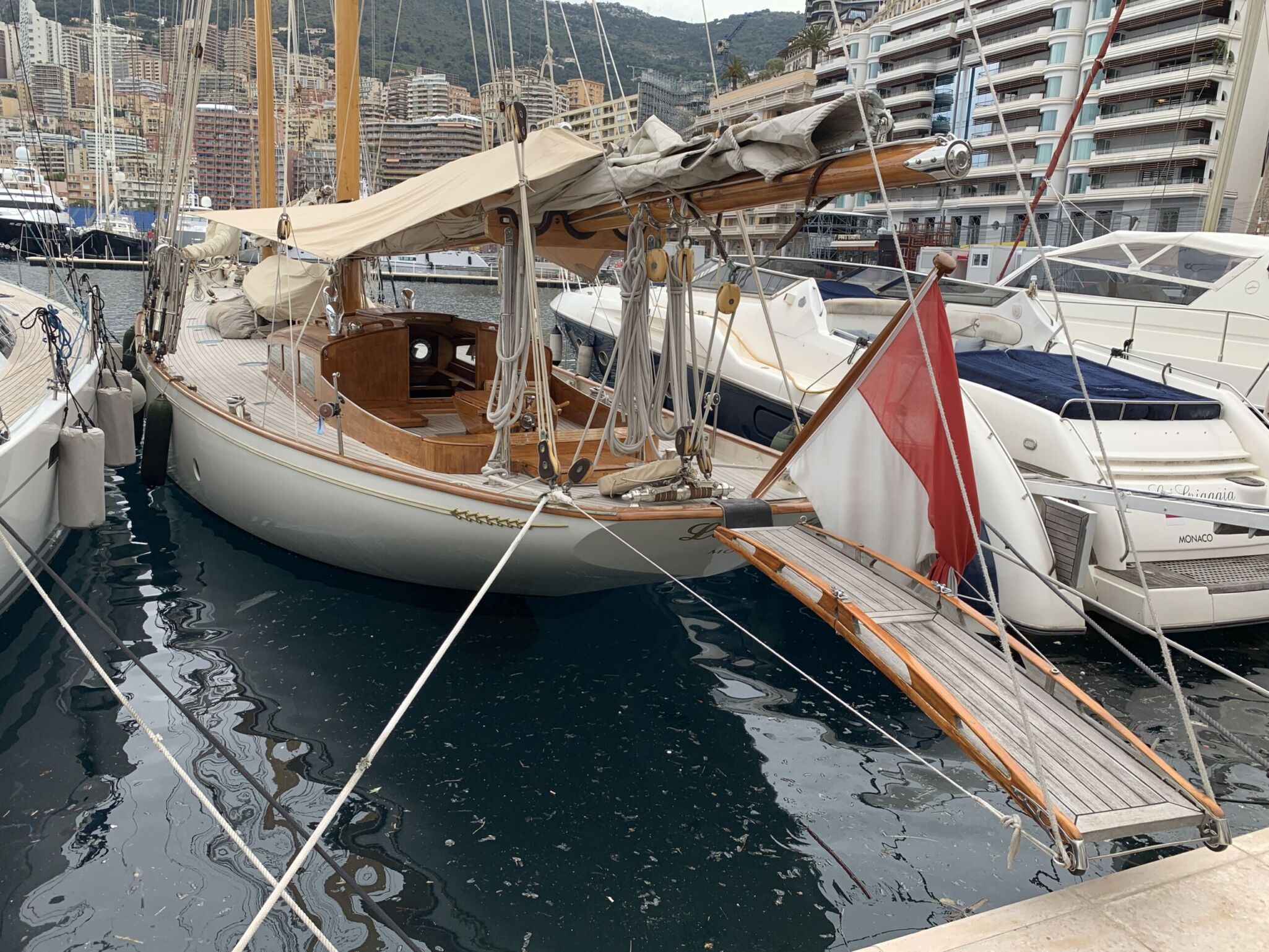
The boat arrives, your learning starts here.
A skipper who has delivered the boat has spent time at its helm and with its systems. At the destination, use that familiarity to make the handover practical: understand how the boat responds, what its controls do and which routines matter to you.
Tuition is shaped around your experience, the boat and suitable conditions. It can focus on everyday operation, local handling or questions you want to resolve before heading out with your regular crew.
Training is led by Steve Frankland, a Master Mariner, Yachtmaster Ocean and Advanced Powerboat and Motorboat Instructor.
Choose what you want to get confident with.
Agree your priorities before the boat arrives, then use the handover to practise what matters on your boat.
Helm, controls and displays
Practise steering, engine controls, instruments, alarms and the boat’s normal responses.
Checks and safety equipment
Build a pre-departure routine around safety gear and the boat’s key onboard systems.
Coming alongside
Practise lines, fenders and close-quarters handling in suitable weather and water.
Crew routines
Set clear roles and simple communication habits for the people who sail with you.
From the first conversation to the handover.
One practical plan connects the passage with the time you spend learning aboard.
Agree the priorities
We discuss the boat, route, timing and your experience, then confirm readiness and the scope before booking.
Make the passage count
During delivery, the skipper notes useful details about the boat. Ask about joining the passage where the boat and route allow.
Practice at handover
At the destination, work through your priorities on your own boat, with practical handling subject to conditions.
Want to join the passage? Ask about owner-assisted delivery. For tuition without a relocation, see own-boat training.
Plan delivery and tuition together.
Include your preferred timing and any useful details about the boat. If you are unsure which service fits, describe what you want to achieve.