
Practical advice · 20 November 2026
If only one person aboard knows how everything works, the boat has a weak point. A useful briefing shares enough knowledge for the crew to help safely and understand what happens next. It should be a conversation beside the controls and equipment, rather than a speech delivered while everyone is already busy leaving.
Start with the people aboard
Ask what experience each person has on this particular boat. Someone confident on a sailing yacht may never have used your motorboat’s controls. A regular passenger may be ready to learn a simple task but reluctant to volunteer. Make it easy to say “I have not done that before”.
The RNLI’s current crew briefing card covers the plan, expected weather, welfare concerns, suitable clothing, lifejacket fit and emergency equipment. It also calls for a second in command who knows how to operate the engine and summon help. Work through those points with the actual people and equipment aboard.
Show the boat, not just the locker lids
Pointing towards “the safety stuff” leaves too much unanswered. Show where equipment lives and explain what each person needs to know about it. Give them time to look, ask questions and repeat the location back to you. If you cannot explain an unfamiliar item yourself, resolve that gap before relying on it.
Discuss what the crew should do if somebody falls overboard or the skipper cannot continue. This is a boat-specific emergency plan to learn and practise with appropriate instruction, not a challenge to invent a response under pressure. Nobody should leave the briefing believing they have been trained merely because they have heard the equipment names.
Give one clear job at a time
In its October 2019 guide to briefing a crew, the RNLI stresses clear roles, relevant information and short briefings at useful moments. That remains a practical approach; this is established guidance, not a new announcement.
Before coming alongside, for example, explain who will handle which line, where they will work and what instruction they should wait for. Ask them to describe the job back. Agreement on the plan matters more than a confident nod from someone who has not understood it.
Use familiar words. Agree a simple way for anyone to say they are not ready or need the manoeuvre paused. A crew member should not feel obliged to improvise because the skipper sounds hurried.
Refresh the briefing when the job changes
The departure briefing cannot cover every detail of the day. Before an unfamiliar harbour, a change of helm or a different berthing arrangement, explain what has changed and check that people are comfortable with their roles. Give the explanation while there is still time to listen.
At the end of the outing, ask one useful question: what felt unclear? Record that answer and improve the next briefing. This turns an awkward moment into something the whole crew can learn from.
Before the next trip
- Identify who can take over and what they still need to learn.
- Walk through the equipment and emergency plan together.
- Allocate manageable jobs suited to experience.
- Brief again before an unfamiliar task.
These habits apply whether you keep your boat in Ireland, the UK or around Jávea and Dénia. Maritime Expert’s own-boat tuition can help owners and their regular crew develop confidence on the boat they actually use.
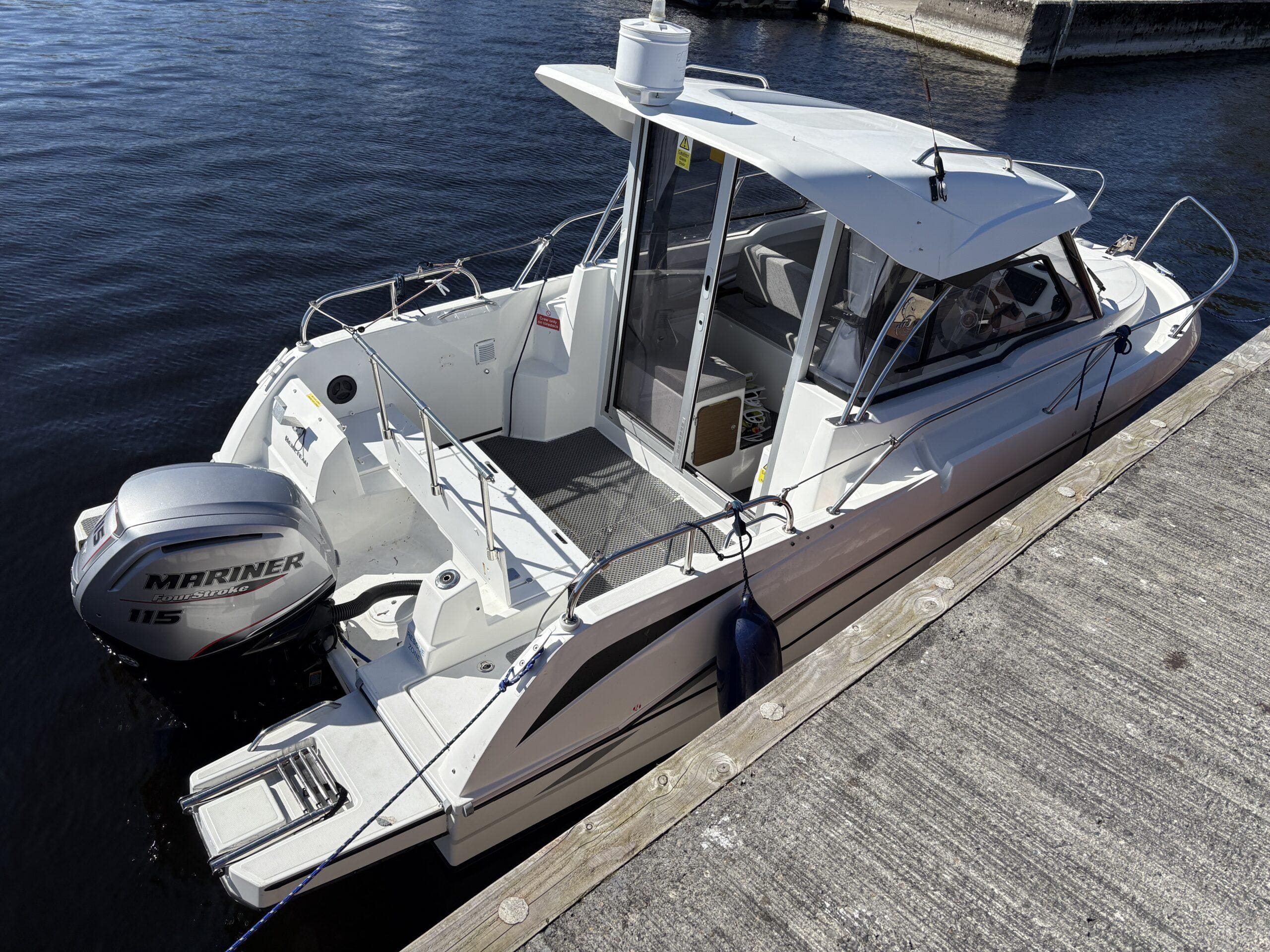
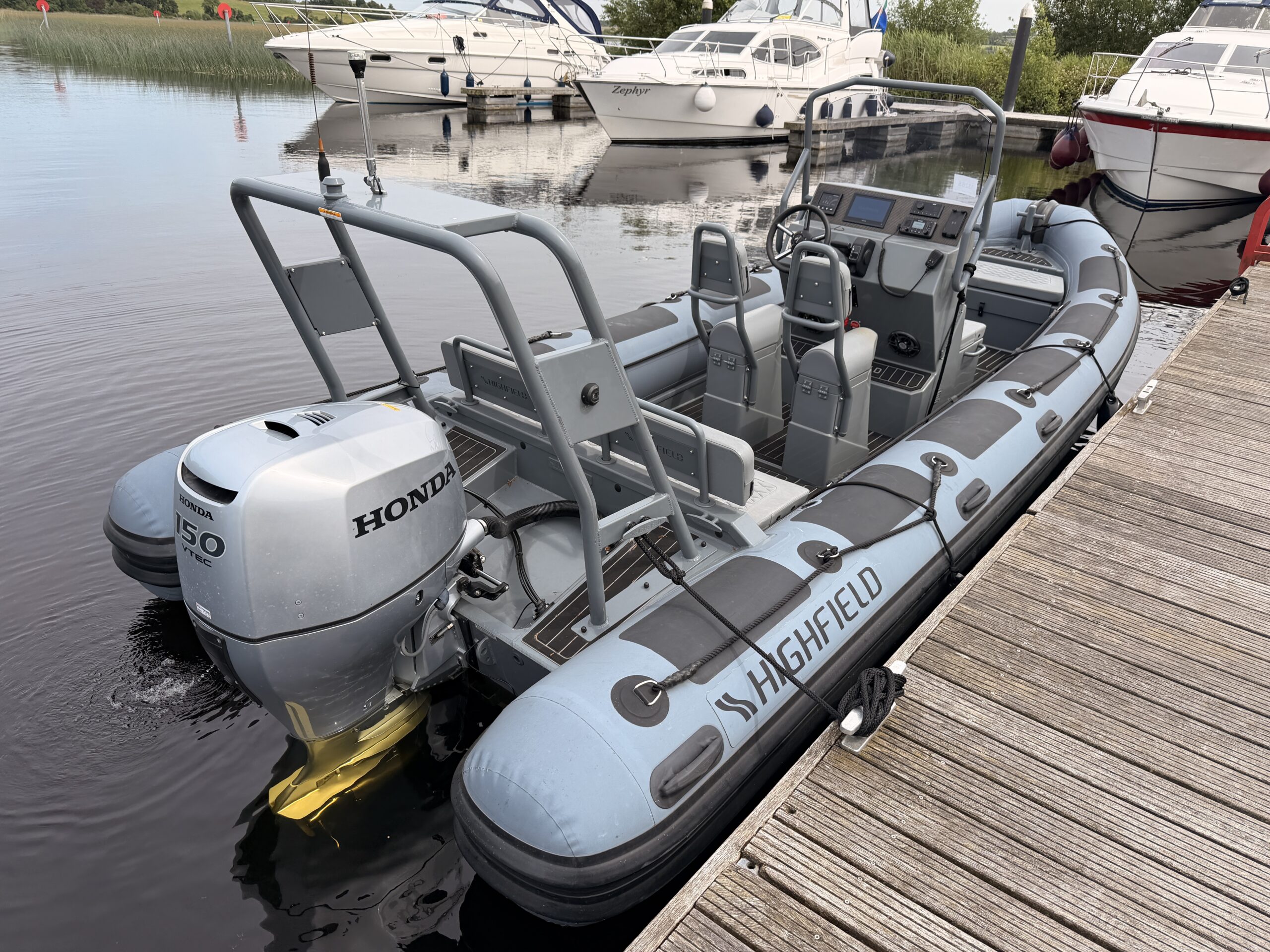
Illustrative photograph from the Maritime Expert image library: a wheelhouse motorboat alongside. No particular training session is depicted.



Leave A Comment