
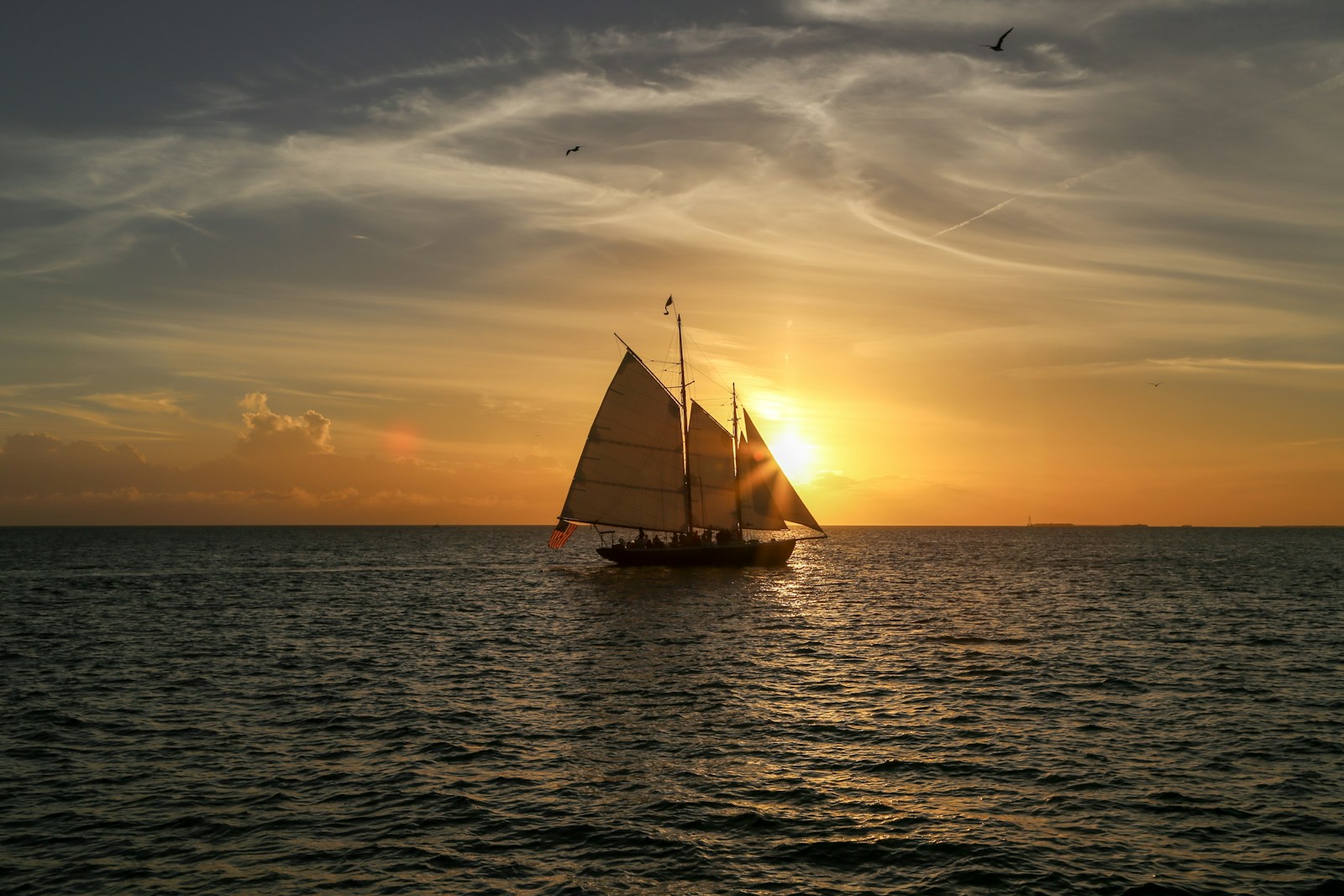
Illustrative photograph: Nicole Chen / Unsplash.
Practical advice · 18 November 2026
A short winter boat trip can be an excellent way to keep your skills fresh. The catch is that a familiar route can leave less room for delay when daylight is limited. Before casting off, build the day around a comfortable return, rather than the furthest destination you might reach.
This is a seasonal planning guide, not a local weather forecast. Use current information for your departure point, route and intended return.
Start with the return journey
Choose when you want to be safely alongside, then work backwards. Include time for slower progress, approaching the harbour and putting the boat away. A departure time alone is not much of a plan.
The RYA passage-planning guidance highlights daylight, alternative shelter, crew capability and unexpected delays. Turn those headings into decisions: where could you divert, what would make you turn back, and would the alternative entrance still be suitable?
For a daylight outing, choose a turnaround time before departure. Treat it as a limit, not a target to stretch because the fishing has improved or the next bay looks inviting.
Match the outing to the season
The RYA winter-boating advice recommends considering shorter passages and paying particular attention to visibility. Check the forecast for the whole period afloat, including the return leg. A pleasant start does not guarantee a pleasant finish.
Choose clothing for time exposed to wind and spray, with suitable layers and waterproof outerwear. Make the plan comfortable for the least experienced or least hardy person aboard. A shorter outing that everyone enjoys is more useful than an endurance test that puts the crew off the next trip.
Give the boat a proper departure check
A familiar engine deserves the same attention as an unfamiliar one. Follow the manufacturer’s checks and maintenance instructions; do not assume that starting successfully proves everything is ready.
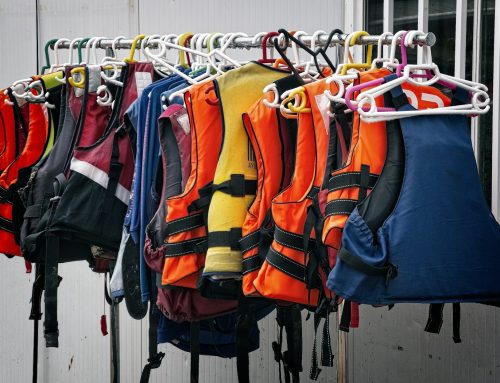
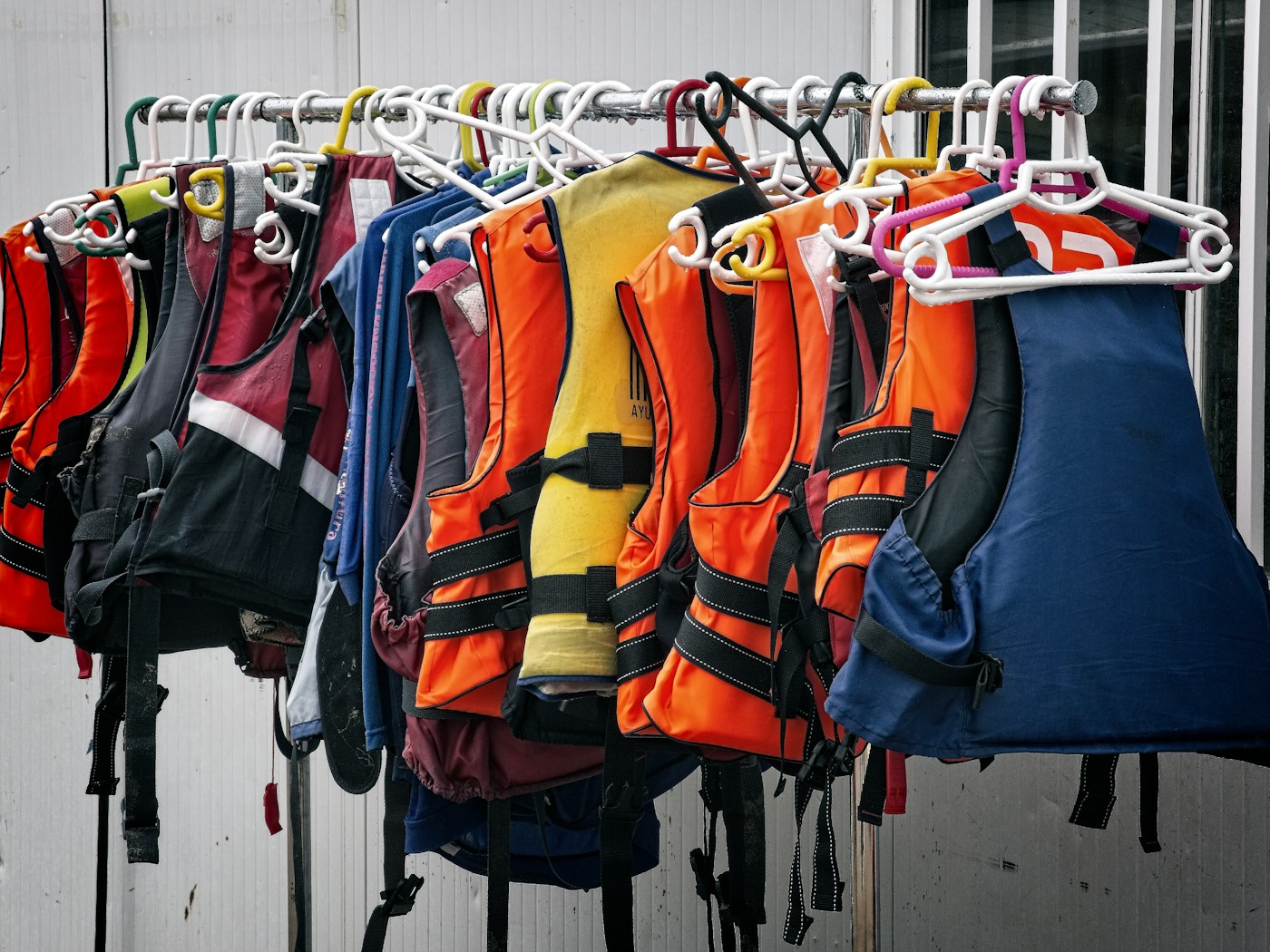
The RNLI boating checklists cover engine fluids, bilges, cooling-water flow, gears and the kill cord where fitted. They also cover correctly fitted lifejackets and a crew briefing. Wear your lifejacket and make sure someone besides the skipper knows how to call for help and operate the engine.
Tell a responsible person ashore your route and expected return, and agree what they should do if you are overdue. Update them if the plan changes and confirm when you are safely back.
Prepare for an unexpected late return
Planning to finish in daylight is sensible; relying on it absolutely is not. The RYA guidance on boating after dark stresses checking navigation lights and understanding how the route looks at night.
Check the correct lights work and are unobstructed before leaving. If darkness, poor visibility or the route would exceed your skills, shorten or postpone the trip. Equipment cannot make that decision for you.
Your practical takeaway
Before departure, be able to explain five things to your crew: the route, the return time, the conditions you expect, your alternative plan and how to summon help.
These planning habits are useful in Ireland, the UK and around Spain, including Jávea and Dénia. Local conditions and harbour arrangements still need checking for the actual trip. If you want to rehearse passage planning and handling with your regular crew, Maritime Expert’s own-boat tuition can be shaped around your boat and the places you use it.

Leave A Comment