Winterising Your Boat: Protect Your Investment Before the Cold Sets In
25 October, 2025
Site Author
3.2 Minute Read
Why Winterising Matters
Winterising your boat is one of the most important maintenance jobs of the year. Whether you run a RIB on Lough Ree, a cruiser on the Shannon, or a coastal motorboat, preparing for the colder months protects your engine, electrics, and structure from damage that can lead to expensive spring surprises. Just as importantly, a properly winterised boat lasts longer and lets you get back on the water faster when the season returns.
Step 1: Deep Clean First
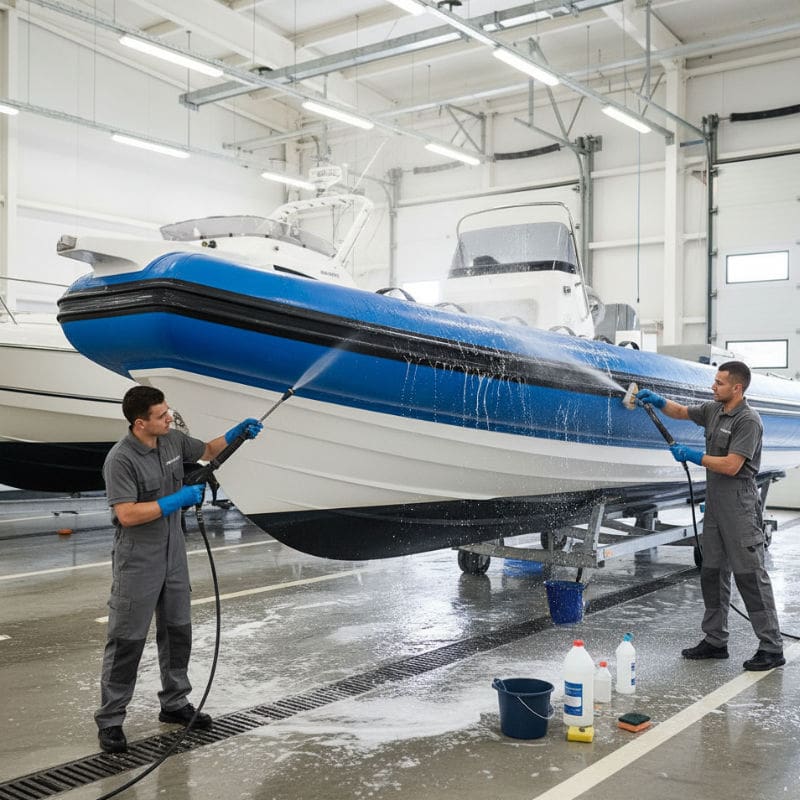
Before you protect anything, clean everything. Start with a full hull wash to remove algae, mud, and (if you’re trailing) road grime. If you’ve been in saltwater, take extra care to rinse away any salt residue.
Then, move inside: clean decks, lockers, bilges, and upholstery, and remove any damp gear that could mould over winter. A spotless boat isn’t just nicer—it also makes inspection easier, so you can spot problems early rather than paying for them later.
Step 2: Engine & Fuel System Protection
Next, focus on the engine and fuel system—because this is where winter damage gets costly fast.
-
Outboards: Flush with fresh water for at least 10 minutes. After that, run marine-grade fogging oil through the intake to protect internal components from corrosion.
-
Inboards: Change the engine oil and replace filters so contaminants aren’t sitting in the system for months.
Then, deal with fuel: top up the tank to reduce condensation and add a fuel stabiliser to help prevent ethanol separation and gumming. Finally, run the engine briefly so the stabiliser circulates properly through the system.
Step 3: Cooling System and Antifreeze
After the engine, the cooling system needs attention—because trapped water can freeze, expand, and crack components.
-
Raw-water cooled engines: Drain the block and manifolds completely, then refill with the correct marine antifreeze.
-
Closed-cooling systems: Check antifreeze strength/level and replace if required.
This is one of the most common causes of winter failures—so it’s worth being thorough here.
Step 4: Batteries & Electrical System
Now move onto electrics. Disconnect batteries, clean terminals, and charge them fully. Ideally, remove them from the boat and store them in a dry place on a maintenance charger.
Cold weather speeds up discharge, so this step helps you avoid that classic spring moment: “Why won’t it start?”
Step 5: Interior, Gear & Electronics
At this point, protect what’s inside. Remove portable electronics, lifejackets, flares, and valuables to a dry storage space. Wipe down surfaces, and leave lockers open to encourage airflow.
Additionally, moisture absorbers in the cabin or console can make a big difference by reducing damp, mildew, and musty smells during long lay-ups.
Step 6: Plumbing and Water Systems
After that, don’t forget the plumbing—frozen water in pipes is a guaranteed headache.
Drain freshwater tanks, hot water heaters, and pumps. Then run non-toxic marine antifreeze through pipes, taps, and shower heads to ensure there’s no water left to freeze. On larger cruisers, toilet systems should also be winterised properly with the correct antifreeze.
Step 7: Deck Hardware and Quick Checks
Before you cover up, do the final on-deck jobs: lubricate steering and controls, grease hinges and latches, and inspect for cracks, loose fittings, or wear.
Finally, make a short list of jobs to tackle while the boat is laid up—winter is the best time to fix the fiddly things.
Step 8: Covering and Ventilation
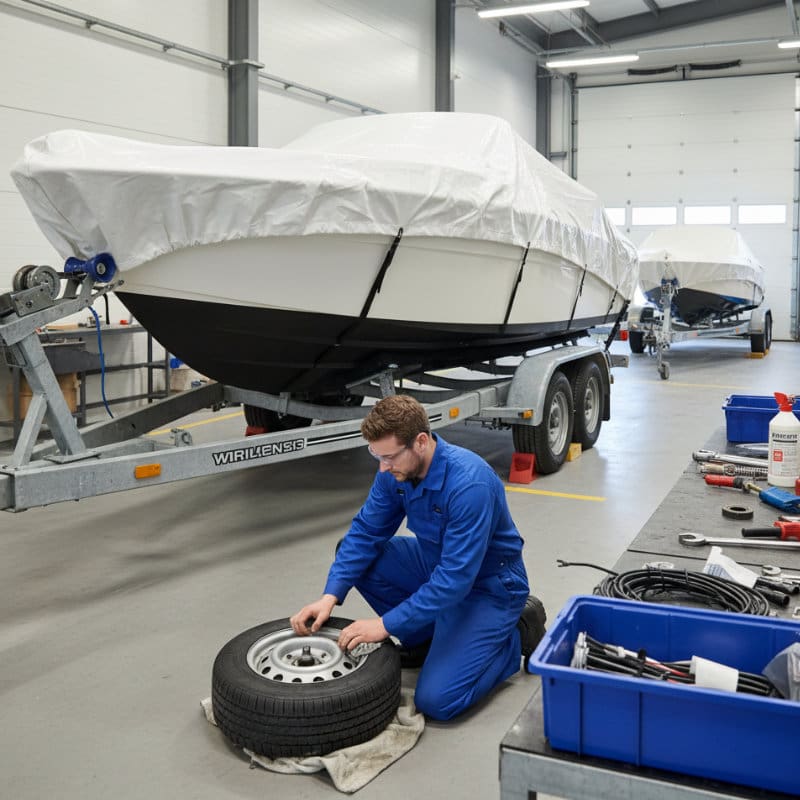
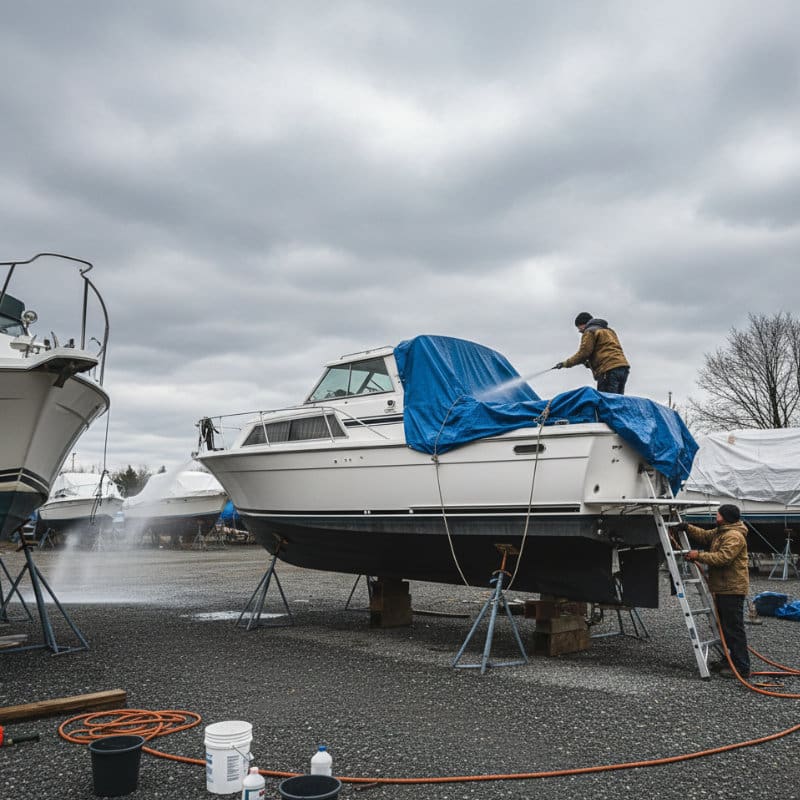
To finish, protect the boat with a proper winter cover or shrink wrap. A tight-fitting breathable cover prevents water pooling, reduces UV exposure, and keeps debris out. However, ventilation is key—because trapped moisture is the biggest enemy during long storage.
The Payoff in Spring
Winterising might take a few hours, but it pays you back repeatedly. A well-prepared boat avoids frost damage, corrosion, and electrical failures—and when spring arrives, the goal is simple: turn the key, launch, and go.